.svg)
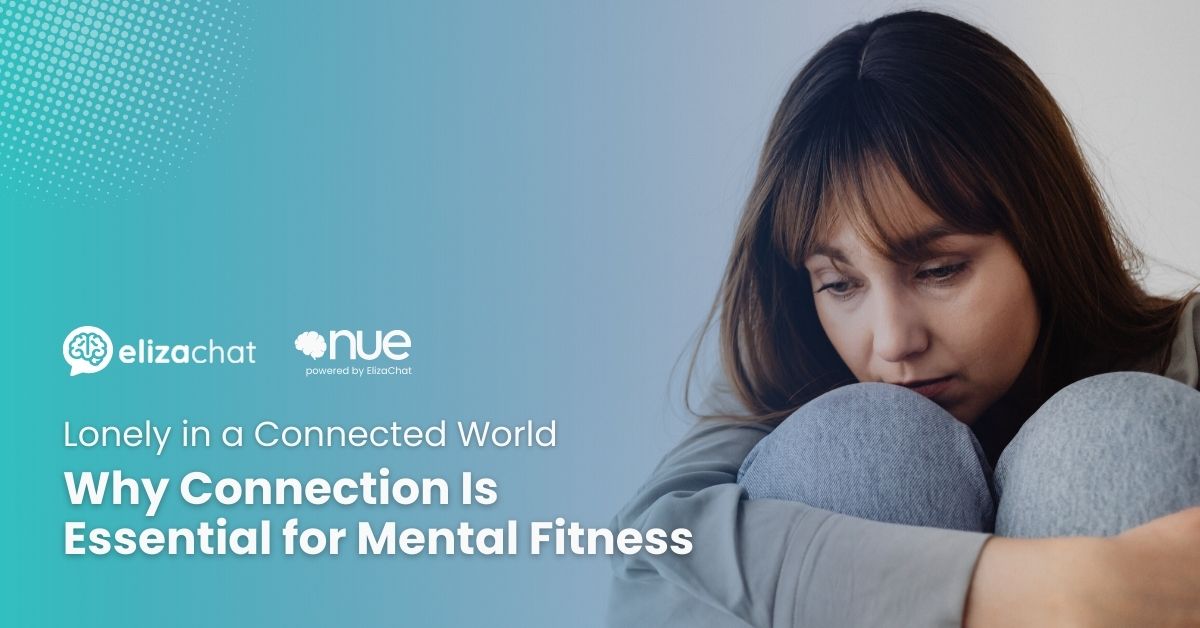
It is possible to feel lonely even when life looks full.
You can have a career, relationships, social plans, and a calendar packed with activity, and still feel disconnected. Many people do. And yet, loneliness is often treated as something embarrassing or broken, something to hide rather than understand.
But loneliness is not a personal failure.
It is a signal.
The Loneliness Paradox
We live in the most connected era in human history. We can message anyone instantly, share our lives publicly, and stay constantly in touch. And yet, loneliness is rising.
Not just among older adults, but across all age groups. Students. Parents. Founders. Professionals. People surrounded by others.
This paradox is confusing at first. If connection is everywhere, why does it feel so scarce?
The answer is simple but uncomfortable. Visibility is not the same as intimacy. Being seen is not the same as being known.
Loneliness Is Not a Personal Failure
Loneliness is not a weakness or a character flaw. It is a biological signal, much like hunger or thirst.
Humans are wired for connection. Our nervous systems regulate through safe relationships. When connection is missing or feels unsafe, the body responds with stress. Over time, that stress becomes chronic.
Research shows that prolonged loneliness has health effects comparable to smoking, obesity, and inactivity. Not because loneliness is dangerous on its own, but because humans were never meant to do life alone.
When loneliness shows up, it is not asking to be silenced. It is asking to be listened to.
Why More Technology Did Not Solve Loneliness
Technology excels at maintaining connection. It does not excel at creating it.
Social platforms keep us aware of each other’s lives, but awareness without depth often increases disconnection. We see curated moments without context. Wins without vulnerability. Highlights without honesty.
This creates comparison instead of closeness.
You can know what someone is doing without knowing how they are doing. And over time, that gap matters.
Technology is not the enemy. But it cannot replace presence, vulnerability, or shared experience. It can support connection, but it cannot substitute it.
Introverts, Extroverts, and the Myth of Personality
Loneliness does not discriminate by personality type.
Extroverts may have many interactions but few places to be fully honest. Introverts may crave depth but struggle to initiate connection. Both can feel unseen.
Connection is not about volume. It is about safety.
You do not need dozens of relationships to feel connected. Most people need one or two places where they can show up without performing, fixing, or filtering themselves.
Depth matters more than frequency. Meaning matters more than popularity.
The Three Types of Connection We All Need
One of the most important ideas from the conversation is that connection is not one thing. It shows up in different forms, and each one serves a purpose.
Intimate Connection
This is the place where you can be fully yourself. A partner, close friend, or family member who sees you clearly and accepts you honestly. This connection regulates the nervous system and creates emotional safety.
Relational Connection
These are friendships, colleagues, and communities where you feel valued and included. You may not share everything, but you feel known enough to belong.
Collective Connection
This is connection to something larger than yourself. Purpose. Service. Faith. Meaning. When people feel disconnected from purpose, loneliness often increases, even if relationships exist.
A healthy life usually includes all three.
How Loneliness Shows Up in Daily Life
Loneliness does not always look like isolation.
Sometimes it looks like:
- Staying busy to avoid stillness
- Overworking to feel needed
- Scrolling to feel connected
- Feeling drained after social interactions instead of nourished
These are not failures. They are coping strategies.
Loneliness often hides behind productivity and distraction. Not because people are avoiding connection, but because they do not know where to find it safely.
How to Rebuild Connection in Real Life
Connection does not require a dramatic life change. It starts with small, intentional shifts.
Name loneliness without judgment
Saying “I feel lonely” is not weakness. It is awareness. Naming the feeling often reduces its intensity.
Create small windows for real conversation
Fifteen minutes of honest connection can matter more than hours of surface level interaction.
Serve something beyond yourself
Service interrupts isolation. Helping others creates meaning and shared purpose, which naturally builds connection.
Choose depth over comfort
Vulnerability feels risky, but it is often the doorway to closeness. Someone usually has to go first.
Reflection Questions
If loneliness has been present, these questions can help clarify what kind of connection you actually need:
- When do I feel most myself around others?
- Where do I feel unseen or unheard?
- What kind of connection leaves me feeling nourished instead of drained?
- Who feels safe enough to be honest with?
Loneliness often points directly to what is missing.
A Mental Fitness Perspective on Connection
Mental fitness is not just about habits, performance, or productivity. It is about staying connected, to yourself, to others, and to meaning.
Loneliness is not something to eliminate. It is something to understand.
When you treat loneliness as information instead of a flaw, it becomes easier to respond intentionally rather than reactively.
This perspective is explored more deeply on The Mental Fitness Podcast, where conversations focus on awareness, connection, and sustainable well being.
Moving Forward
If you feel lonely, it does not mean you are broken. It means you are human.
Connection is not optional for mental fitness. It is foundational.
And rebuilding it does not require becoming someone else. It starts by listening to the signal, creating space for honesty, and choosing presence over perfection.
That is where real connection begins.